
Pixel 11 Pro XL vs Galaxy S26 Ultra Can Google’s 120x Zoom Beat Samsung’s 100x?
The Google Pixel 11 Pro XL and the Samsung Galaxy S26 Ultra are two of the best camera phones you can buy in 2026. Both cost premium money, and both promise pro-level photography — but they take very different paths to get there.

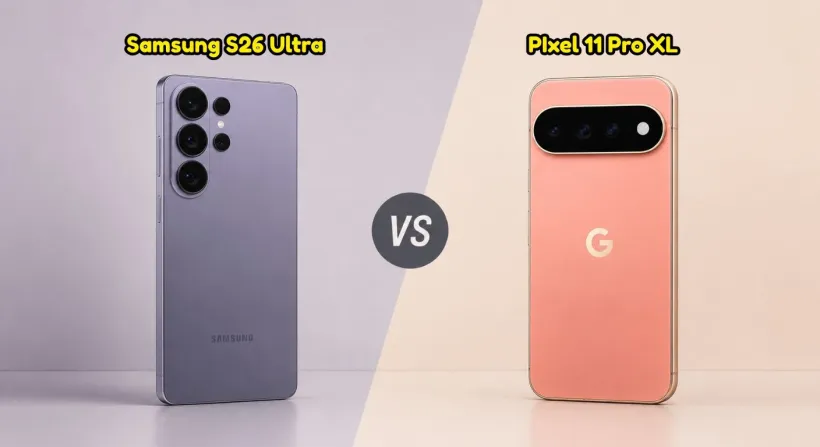
The Google Pixel 11 Pro XL and the Samsung Galaxy S26 Ultra are two of the best camera phones you can buy in 2026. Both cost premium money, and both promise pro-level photography — but they take very different paths to get there.
Samsung throws powerful hardware at the problem: a 200MP main sensor and four rear lenses. Google leans on smart AI processing to make photos look great with almost no effort. So which one actually takes better pictures in real life?
In this guide we compare their cameras across everything that matters — main camera, ultrawide, zoom, low light, selfies, video, and software features — in simple, honest words with real specs. Let's dig in.
Quick Answer
- Samsung Galaxy S26 Ultra has the stronger, more flexible camera hardware — best for detail, zoom range, and pro-level video control.
- Google Pixel 11 Pro XL has the smarter software — best for effortless, natural-looking photos and far better selfies.
Now the full breakdown.
The Camera Hardware, Side by Side
| Camera | Pixel 11 Pro XL | Galaxy S26 Ultra |
|---|---|---|
| Main (Wide) | 50MP, f/1.68, 1/1.3" sensor | 200MP, f/1.4, 1/1.3" sensor |
| Ultrawide | 48MP, f/1.7, 123° | 50MP, f/1.9, 120° |
| Telephoto 1 | 48MP periscope, f/2.8, 5x optical | 10MP, f/2.4, 3x optical |
| Telephoto 2 | — (single tele) | 50MP periscope, f/2.9, 5x optical |
| Front Camera | 42MP, f/2.2, 103° | 12MP, f/2.2 |
| Max Zoom | 120x Pro Zoom (AI) | 100x Space Zoom (AI) |
| Video | 4K, natural processing | Up to 8K |
Hardware takeaway: Samsung has a higher-resolution 200MP main sensor and two telephoto lenses, giving it more flexibility and detail. Google uses fewer but very strong sensors and relies on AI to fill the gaps — plus it has a much better front camera.
Main Camera
The main camera is what you'll use most, so this matters more than any headline feature.
Samsung's 200MP main sensor with a bright f/1.4 aperture is a real strength. It's the brightest main camera Samsung has ever made — letting in about 47% more light than older models — and captures huge detail with lots of room to crop.
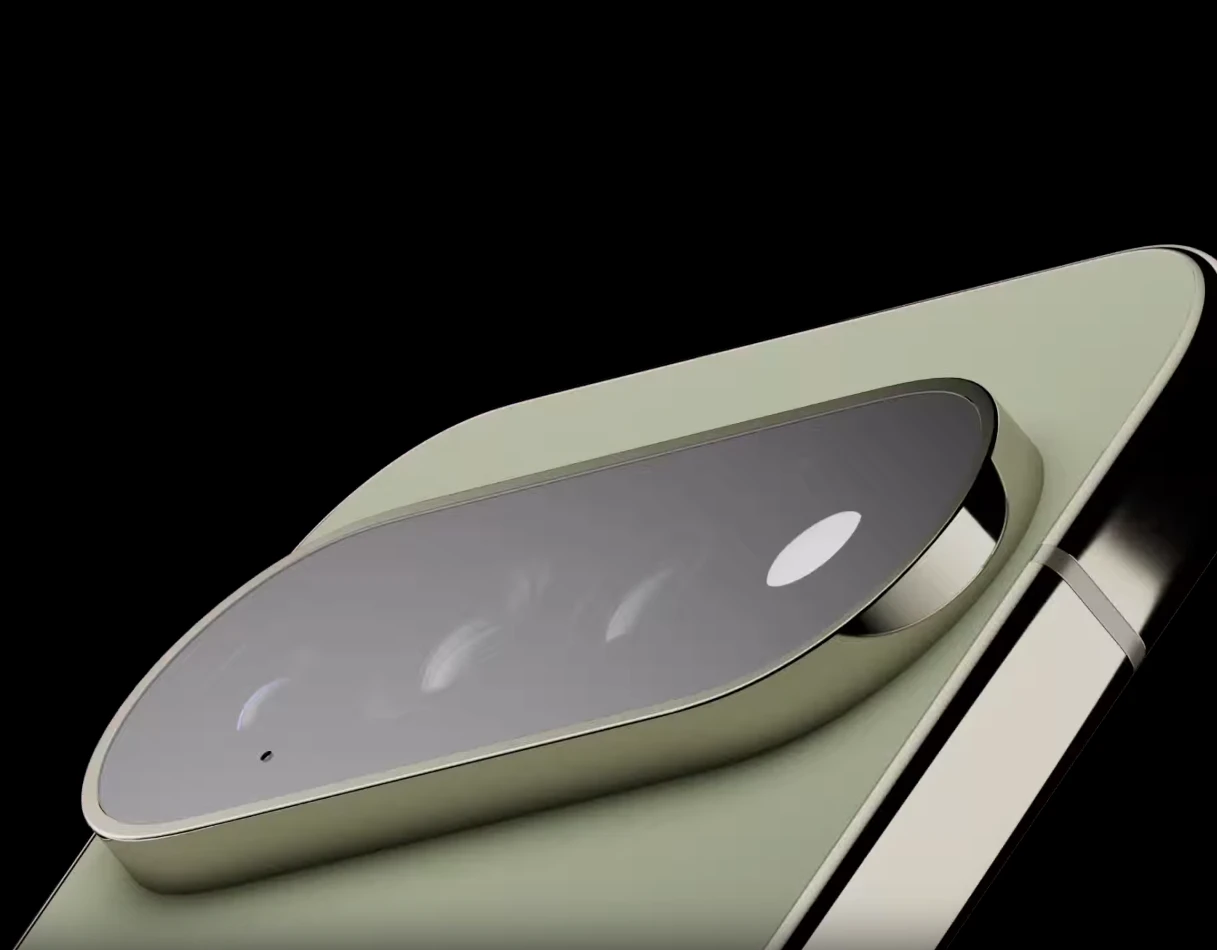
Google's 50MP main with an f/1.68 lens and a large 1/1.3" sensor is famous for one thing: photos that look "right" straight out of the camera. Great colors, balanced exposure, natural skin tones, no editing needed.
Winner: Samsung for raw detail and cropping room; Google for effortless, natural-looking shots. Both are excellent.
Ultrawide
Very close here. Google's 48MP ultrawide and Samsung's 50MP ultrawide both capture wide, detailed shots with good color that matches the main lens well. Samsung's is a touch higher resolution; Google's has a slightly wider field of view.
Winner: Tie — both are strong.
Zoom
Both phones push big zoom numbers — Google's 120x Pro Zoom and Samsung's 100x Space Zoom — but here's the honest truth: the extreme end is mostly a fun tech demo, not something you'll use daily.
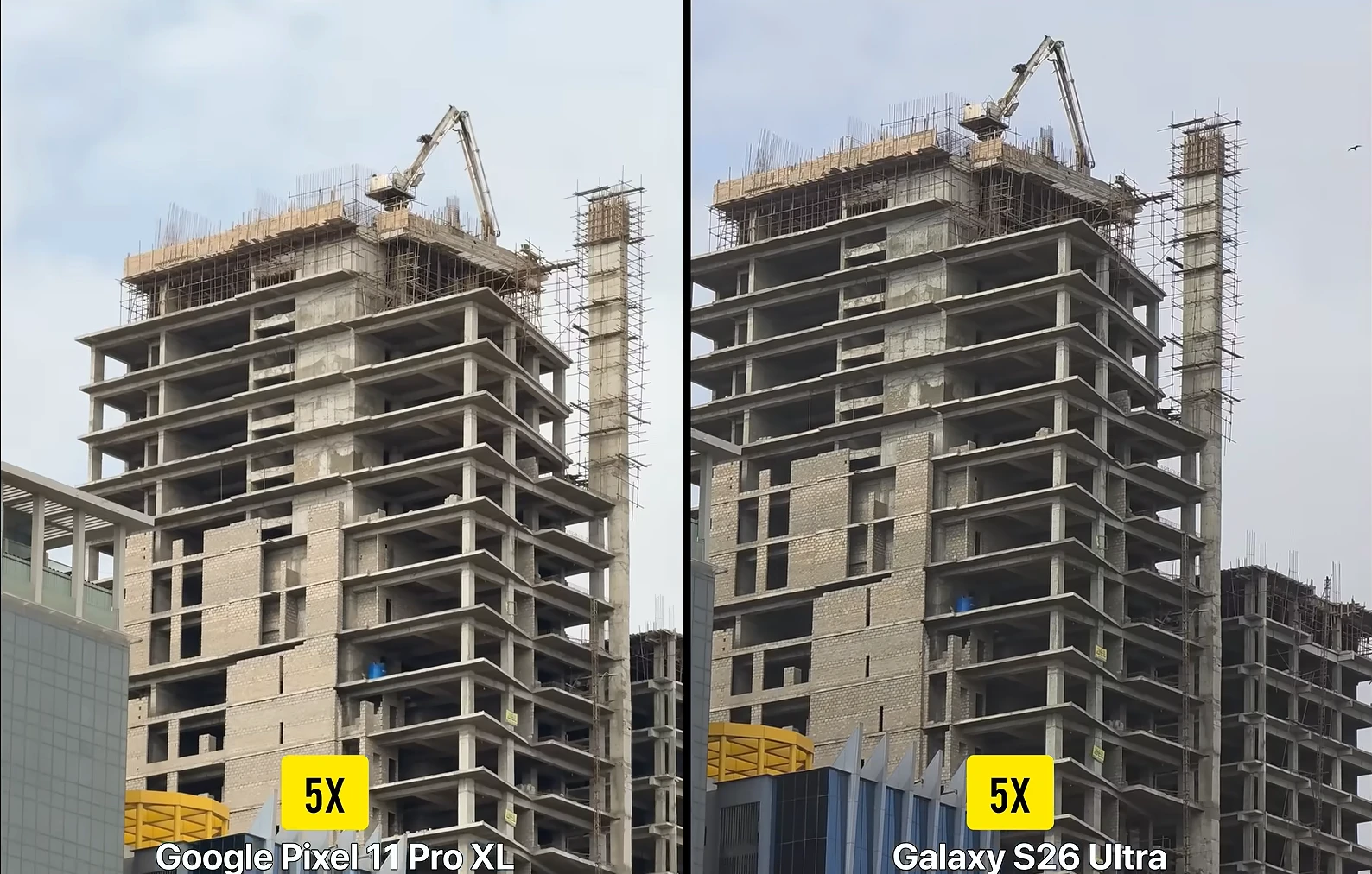
- Google uses a 5x optical periscope plus Tensor G6 AI to reach 120x. In hands-on testing, its long-zoom shots came out surprisingly clean once processed.
- Samsung uses two telephoto lenses (3x and 5x) plus AI to reach 100x. Independent reviewers note detail drops off sharply past about 10x, and 100x is more of a "gimmick."
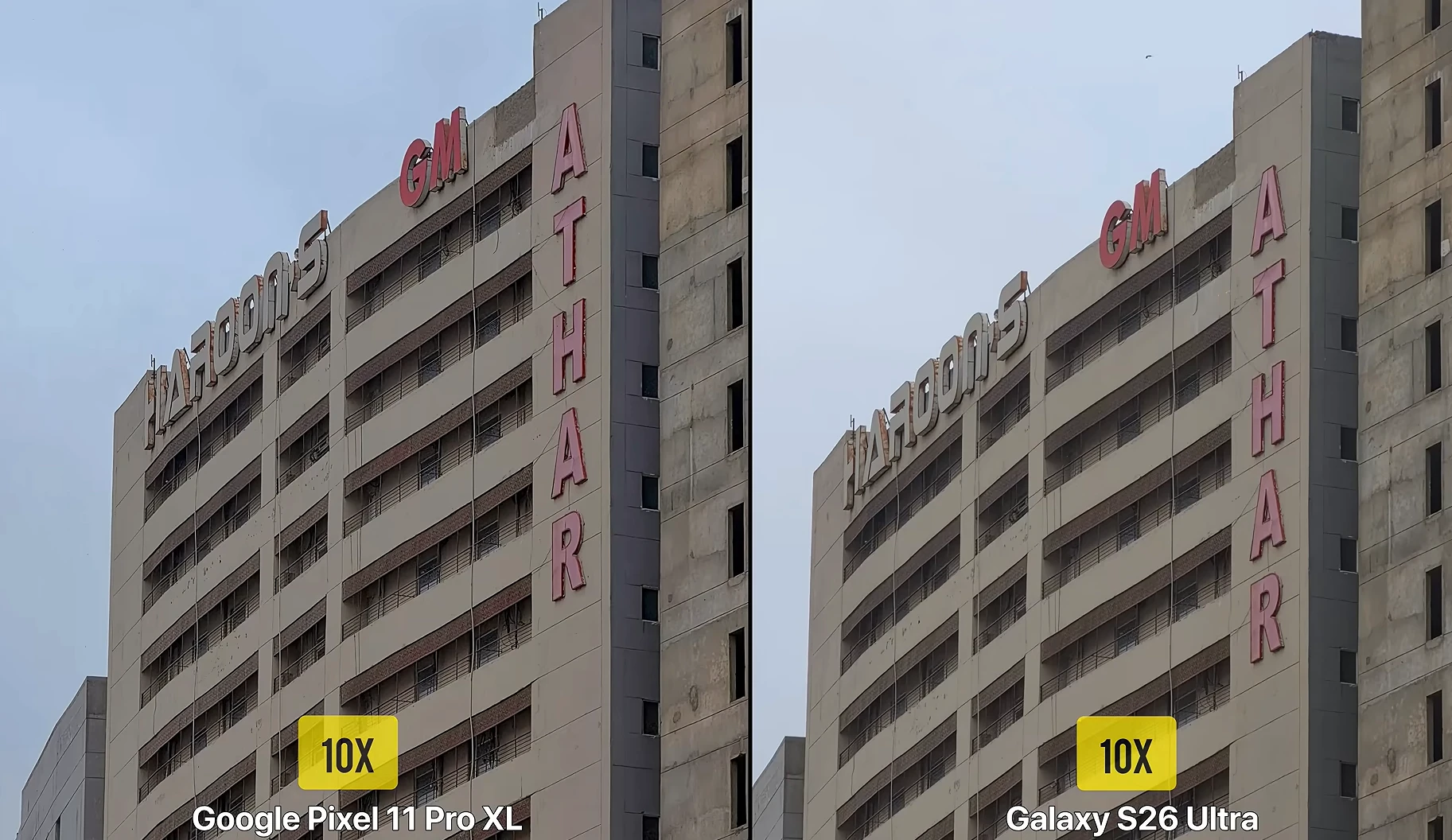
Where zoom actually counts — around 5x to 30x — Samsung's dual-telephoto hardware gives more flexibility, while Google's AI often produces cleaner, ready-to-share results.
Winner: Samsung for flexible zoom range; Google for cleaner AI-processed long shots. Beyond 30x, both are more fun than practical.
Low Light
Samsung made real progress this year. The wider f/1.4 main and f/2.9 telephoto apertures, plus improved noise reduction, deliver brighter, cleaner night shots than any previous Galaxy — confirmed by independent testing.
Google counters with Instant Night Sight, capturing night shots much faster than before while keeping the natural Pixel look with balanced colors and controlled highlights.
Winner: Close call. Samsung's brighter apertures give a hardware edge; Google's processing keeps night photos looking natural.
Selfies and Front Camera
This one isn't close. The Pixel 11 Pro XL has a 42MP front camera with autofocus, while the Galaxy S26 Ultra sticks with a 12MP selfie cam (though Samsung did add its AI processing to it this year).
If selfies and video calls are important to you, Google is clearly the better choice.
Winner: Google, by a wide margin.
Video
Samsung is very strong on video, offering up to 8K recording and excellent stabilization across its lenses — a favorite for anyone who shoots a lot of video or wants pro-level control.
Google's video has improved and looks natural, but Samsung leads on resolution and flexibility.
Winner: Samsung.
Software and AI Features
The two brands think differently about photography software.
Google Pixel 11 Pro XL: Powered by Tensor G6 with a 50% more powerful AI engine. Standout features include Magic Capture (one tap grabs a photo and video together), Camera Looks (custom film styles), Real Tone for accurate skin tones, and Portrait Mode now at 5x zoom. The whole approach is "point, shoot, and trust the AI."
Samsung Galaxy S26 Ultra: Uses the ProVisual Engine and Galaxy AI, with real-time subject and texture analysis, more manual controls, and (new this year) its AI ISP extended to the front camera.
Winner: Google for effortless smart photography; Samsung for control and flexibility.
Final Verdict: Which Camera Should You Choose?
Both are among the best camera phones of 2026 — you won't be disappointed either way. Here's the simple breakdown:
Choose the Galaxy S26 Ultra if you want:
- The most flexible camera system (four lenses, dual telephoto)
- A 200MP main sensor with the most detail and cropping room
- The brightest apertures for low light
- Top-tier 8K video and manual control
Choose the Pixel 11 Pro XL if you want:
- The best point-and-shoot photos with almost no effort
- Cleaner, more natural-looking results from AI
- A far better 42MP selfie camera
- Smart features like Magic Capture and Camera Looks
The bottom line: Samsung wins on hardware, zoom flexibility, and video. Google wins on smart, easy, great-looking photos and selfies. If you love tweaking settings and want maximum flexibility, go Samsung. If you just want to pull out your phone and get a perfect shot every time, go Pixel.
Related News
Should You Buy the Vivo V80 Lite or the Oppo Reno 16F? Honest Review
New Mobiles Coming to Pakistan in September 2026
Top 5 Alternatives to the Vivo V80 Lite in Pakistan (2026)
iPhone 18 Series Is Changing: New Launch Date, Pro Models, Foldable iPhone & More
5 Phones Under 40k in Pakistan That Actually Feel Premium
Comments (0)
No comments yet. Be the first to comment!