
Should You Buy the Vivo V80 Lite or the Oppo Reno 16F? Honest Review
Vivo V80 Lite or Oppo Reno 16F? An honest Pakistan comparison of display, cameras, battery, charging, and NFC to help you pick the right phone under Rs. 125,000.

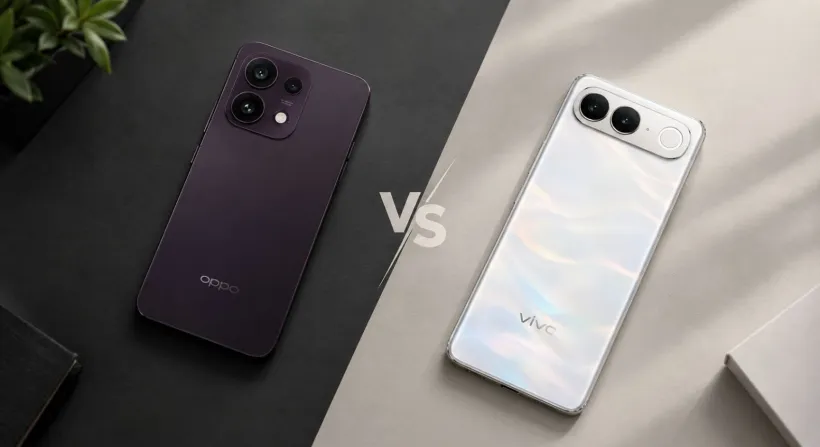
If you walk into a shop with around Rs. 125,000 for a brand-new, box-packed 5G phone from a big brand, you'll mostly land on these two: the Vivo V80 Lite and the Oppo Reno 16F. Both launched recently, both cost roughly the same, and both are genuinely good. But they're built for different people.
Here's an honest, hands-on breakdown to help you decide — the way a friend who's actually used both would explain it.
Price and Variants
Both sit in the same bracket, right around Rs. 125,000 — a price point that's crept up mainly because of the ongoing memory and chipset shortage.
- Oppo Reno 16F: one variant, 8GB/256GB
- Vivo V80 Lite: more flexibility — 8GB/128GB and 8GB/256GB options
With both, the market rate is usually lower than the official invoice price, so it's worth checking with dealers before paying full retail.
Design and Build
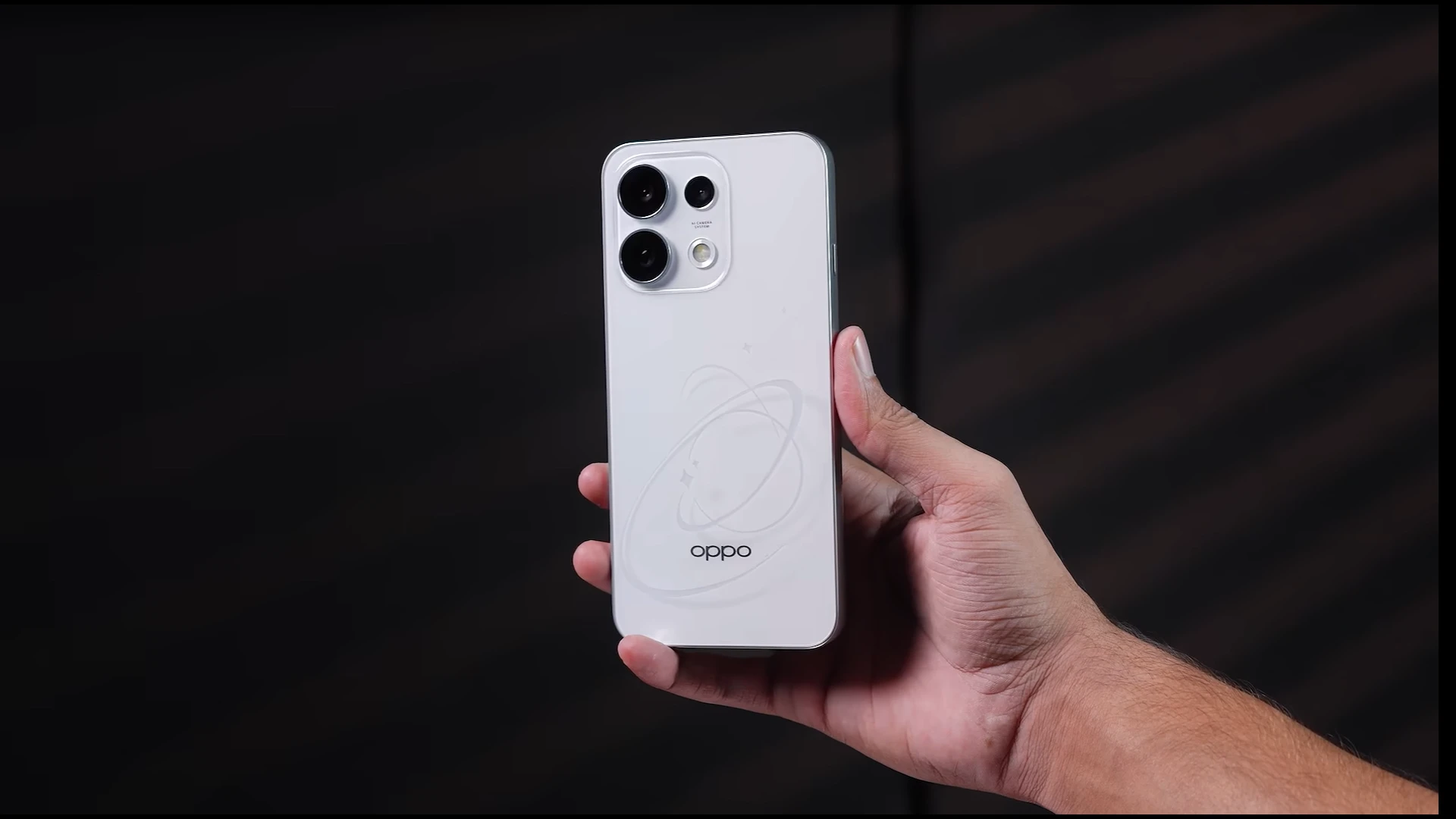
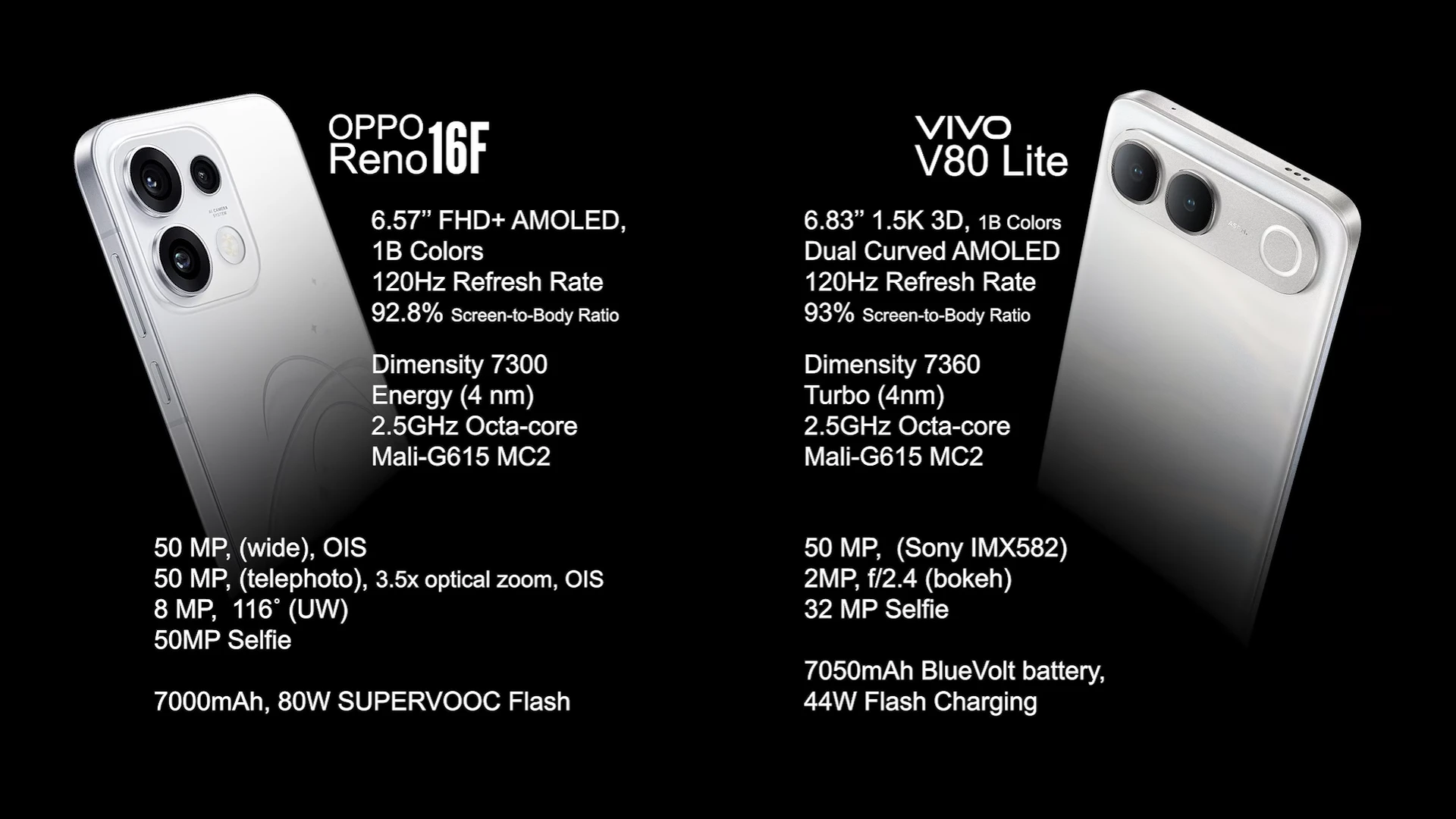
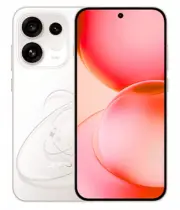
This comes down to taste and feel. The Oppo has a glass back with a striking new 3D "Hologuards" design that shifts as you tilt it, and reviewers found it feels a touch more premium in hand.
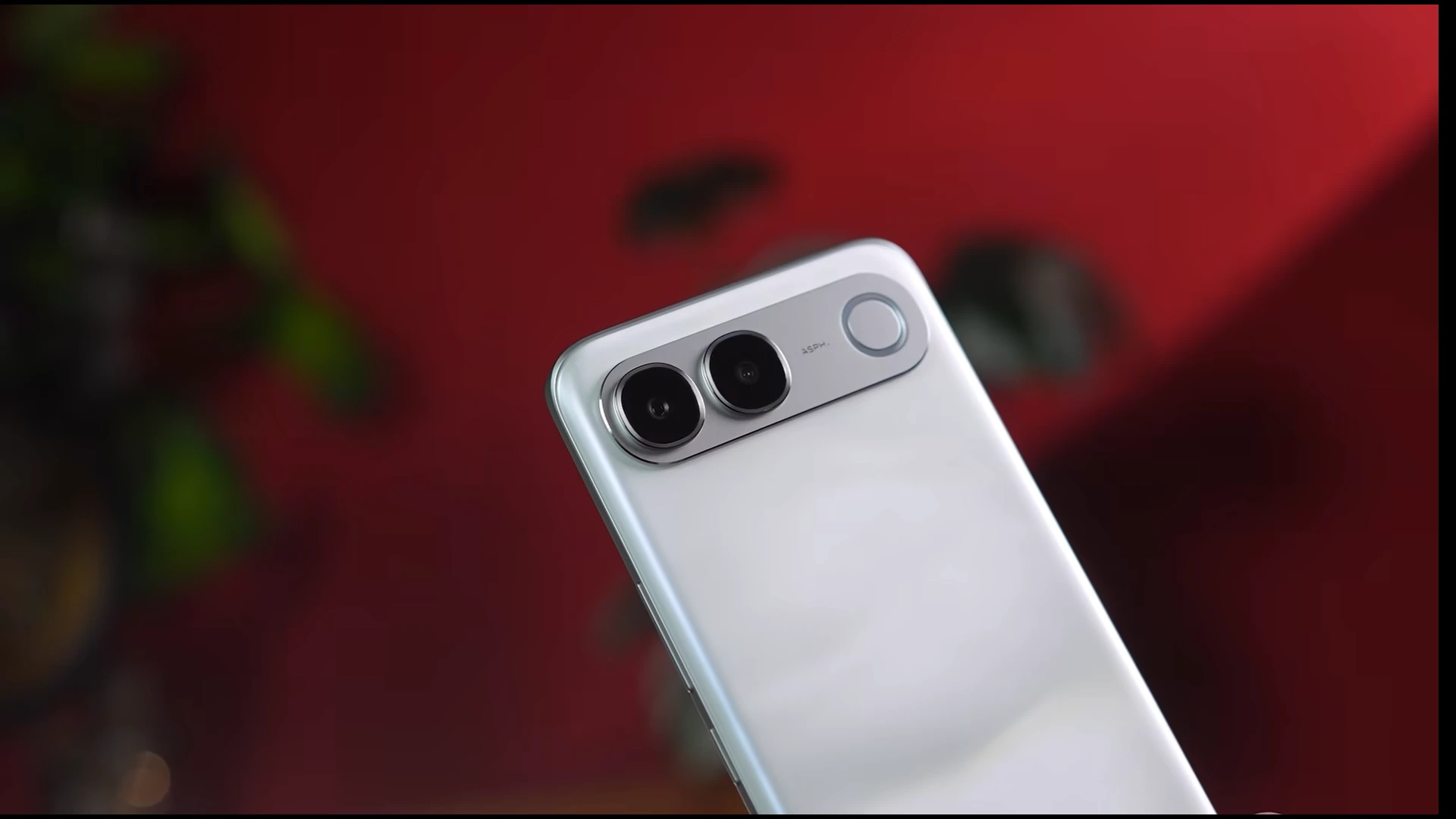
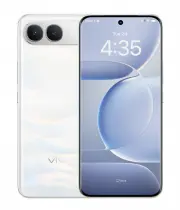
The Vivo uses a plastic back and frame, but its curved body and stain-resistant finish give it an easy grip and a lighter feel.
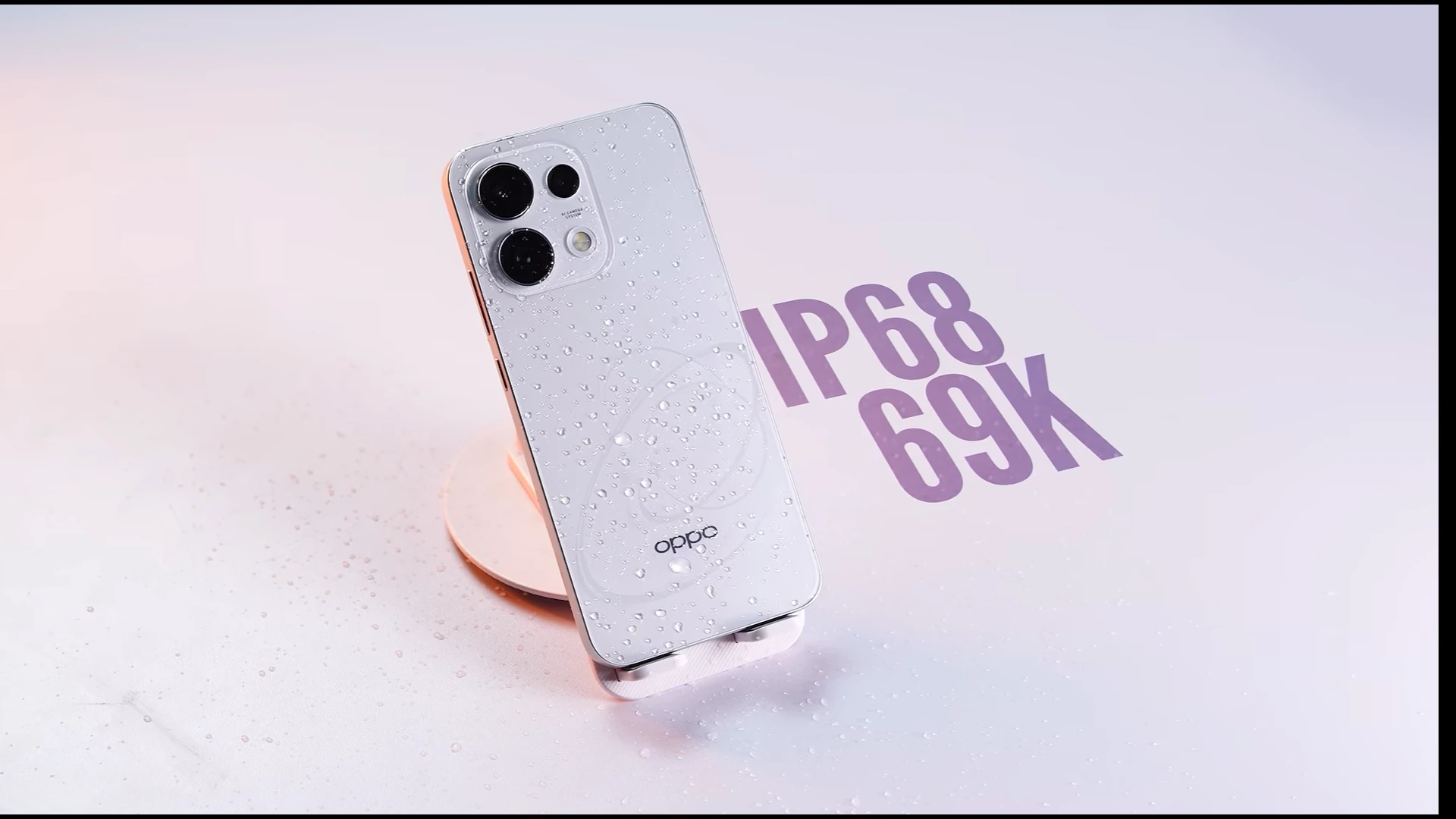
Both weigh around 197-201g and both carry the same top-tier IP68 + IP69K rating — so both survive dust, rain, and even a dunk in water. On protection, they're equal.
Display
If you like curved screens, the Vivo wins clearly. Its 6.83-inch 3D curved AMOLED with 1.5K resolution genuinely gives a flagship feel, and reviewers found its outdoor brightness slightly better.
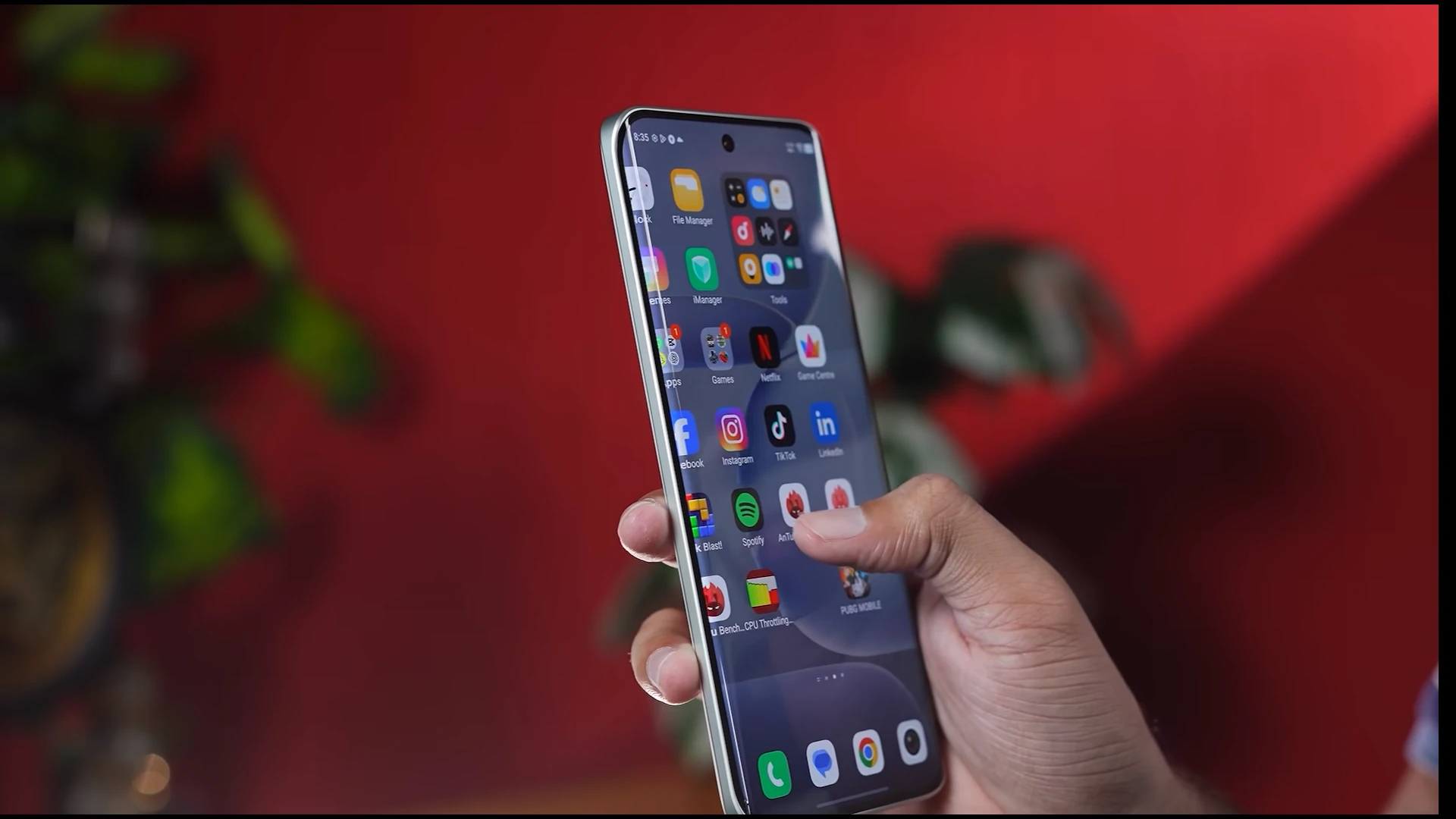
The Oppo goes with a smaller 6.57-inch flat AMOLED at Full HD+. It's still a good screen — sharp, bright, 120Hz — but it's a step below the Vivo in size, resolution, and that premium curved look.
Bottom line: Vivo for a bigger, sharper, curved display; Oppo if you specifically prefer flat screens.
Performance
Here the two are almost twins. Both use similar MediaTek chips (Vivo's Dimensity 7360, Oppo's Dimensity 7300 Energy), both clock around 2.5GHz, both use the same LPDDR4X RAM and UFS 3.1 storage, and both post nearly identical benchmark scores of around 9-10 lakh (roughly 900,000-1,000,000).
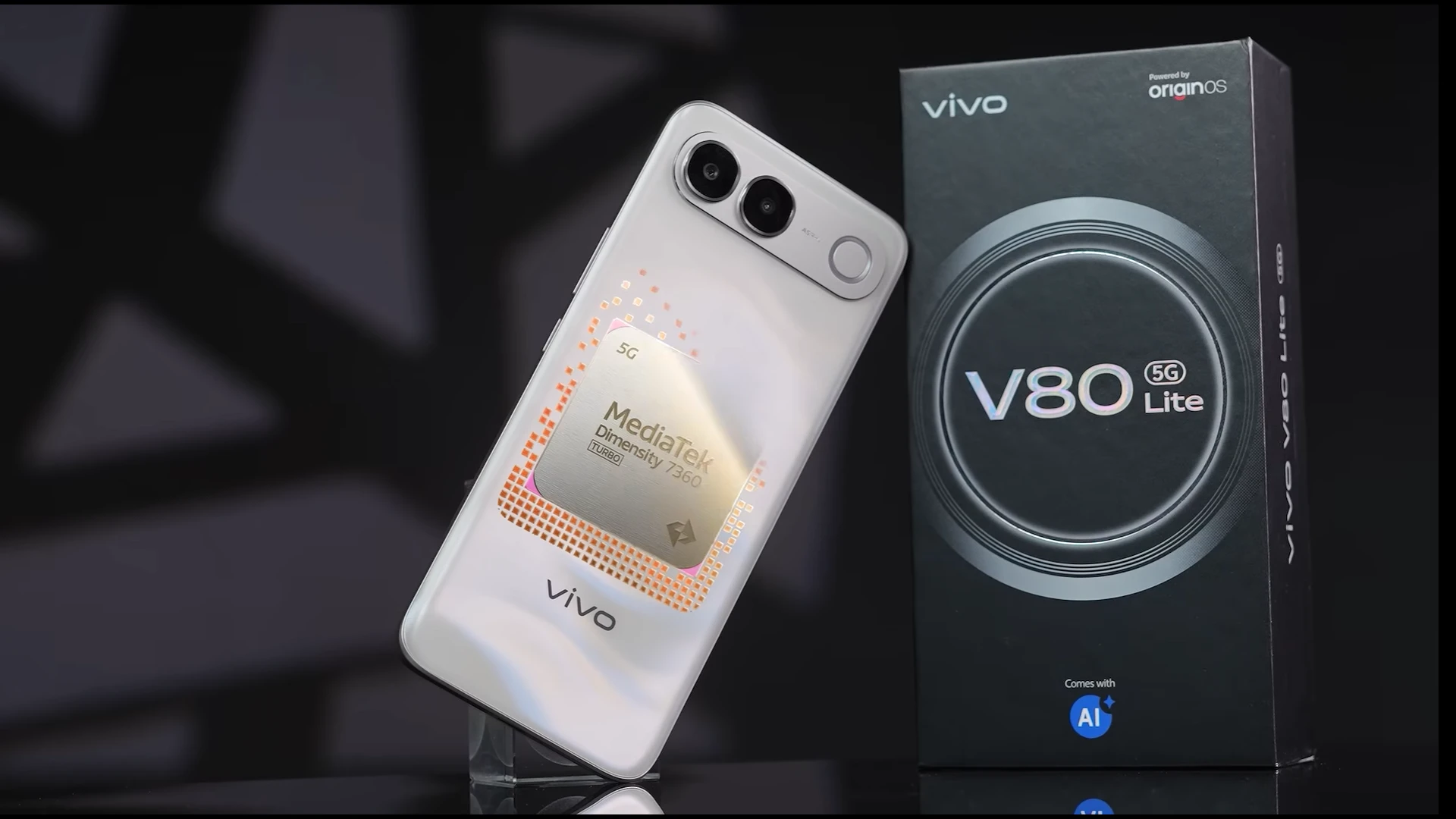
In real testing, the reviewer found Vivo's optimization slightly better — it rendered a 1GB Instagram reel faster and scored higher on the CPU throttle test (95% vs Oppo's 88%). Both handle PUBG at 90fps and manage decent, though not top-tier, gaming.
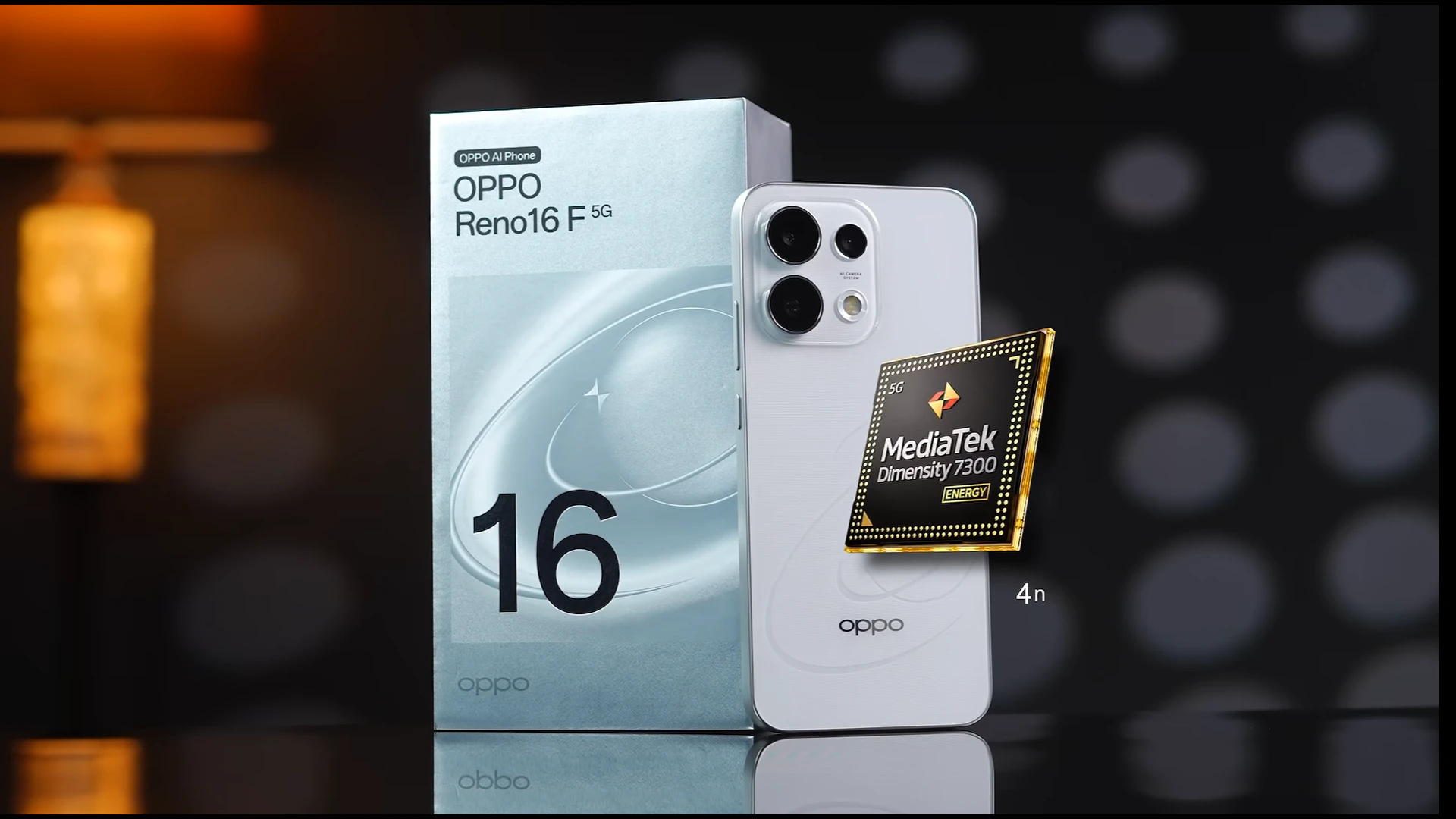
Bottom line: near-identical on paper; Vivo edges ahead slightly on real-world optimization and battery efficiency under load.
Cameras — Oppo's Big Advantage
This is where they genuinely separate. The Oppo Reno 16F has a proper triple camera: a 50MP main with OIS, a 50MP telephoto with 3.5x optical zoom, and an 8MP ultrawide, plus a 50MP selfie camera.
The Vivo V80 Lite has just a 50MP main (with only electronic stabilization, not confirmed OIS) and a 2MP depth sensor — no ultrawide, no telephoto — with a 32MP selfie.
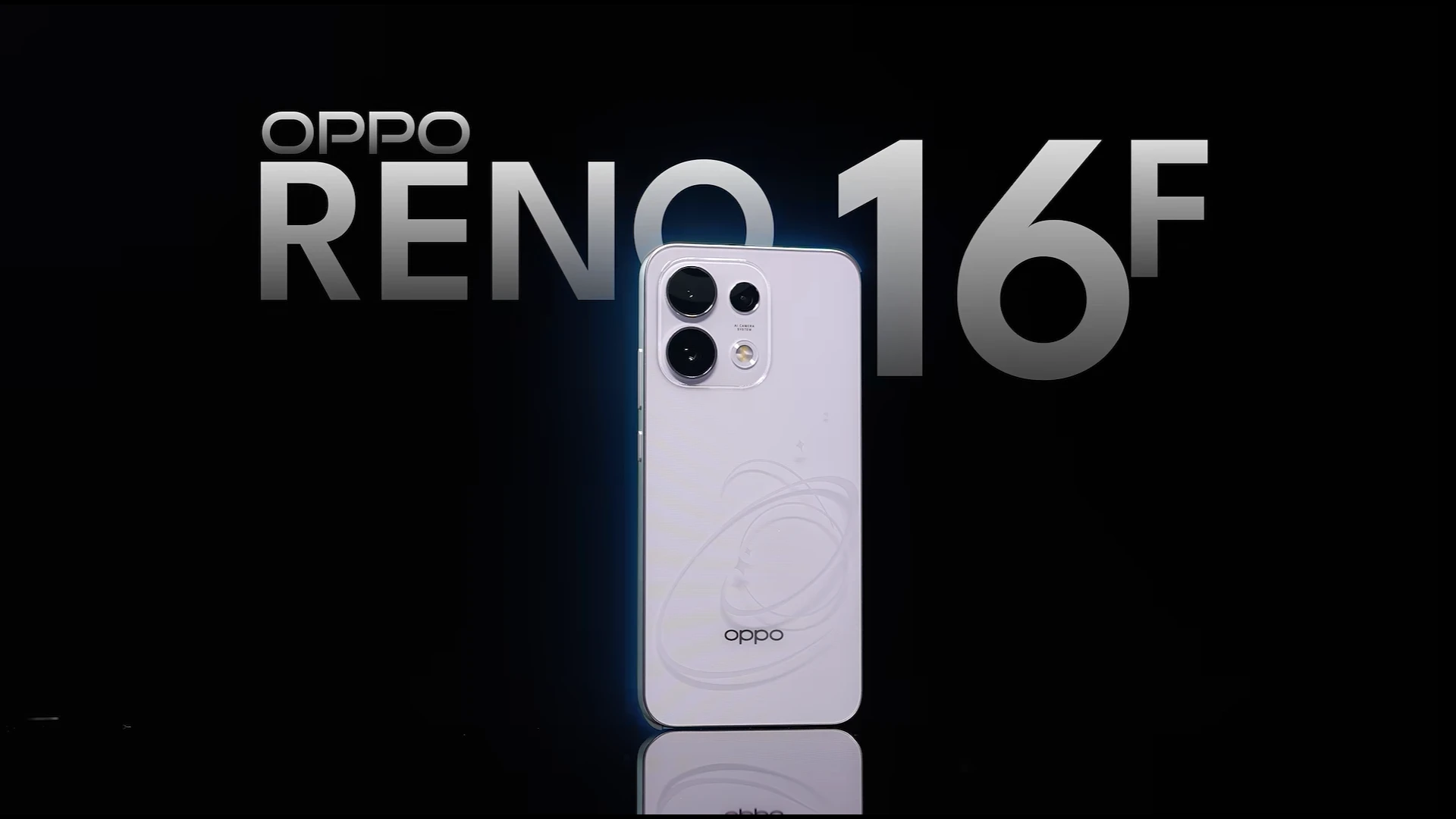
In the reviewer's hands-on:
- Oppo's video was more stable; Vivo's showed jerkiness and noise, and washed out against sunlight
- Oppo can shoot zoomed and ultrawide video; Vivo can't record 4K from a second lens
- Oppo's telephoto captures better zoomed and close-up shots
- Vivo also cuts several AI camera features, including its seasonal AI portraits
Vivo's one camera win is the 32MP wide selfie, good for fitting a group in frame.
Bottom line: for photography and video, the Oppo Reno 16F is clearly the better phone.
Battery and Charging
Battery size and real-world life are almost the same — both around 7,000mAh, both lasting 1.5 to 2 days. Vivo's battery optimisation is slightly better (it drained 12% in a test where Oppo drained 19%).
But charging is Oppo's win: 80W SuperVOOC fills it noticeably faster than Vivo's 44W. Both support reverse and bypass charging.
Bottom line: similar endurance, but Oppo charges much faster.
The Details That Might Decide It
A few practical points from real use:
- NFC: Oppo has it. Vivo doesn't. With tap-to-pay becoming more common in Pakistan, this is a real miss on the Vivo.
- Software updates: Oppo promises more — 5 years of Android updates and up to 6-7 years of security patches, versus Vivo's 3 years of Android and 5 of security.
- Connectivity: Oppo has Wi-Fi 6 and 17 5G bands; Vivo has Wi-Fi 5 and 12 5G bands.
- Speakers: both have dual stereo speakers. Oppo has slightly more bass; Vivo is louder.
- Resale value: Vivo's brand tends to hold resale value well in Pakistan, which some buyers weigh heavily.
The Honest Verdict
Both are strong phones at this price, and there's genuinely no bad choice. It comes down to what you value:
Buy the Oppo Reno 16F if you want the better cameras (that telephoto lens is a real advantage), faster 80W charging, NFC for tap-to-pay, longer software support, and a premium glass build. It's the more complete all-rounder.
Buy the Vivo V80 Lite if you want a bigger, sharper curved display, slightly better real-world performance and battery optimisation, a strong 32MP group selfie, and Vivo's stronger resale value.
Simply put: the Oppo is the better-rounded package for most people, especially anyone who cares about the camera or wants NFC. The Vivo is the pick if the curved display, the in-hand feel, and resale value matter more to you than a versatile camera.
Vivo V80 Lite vs Oppo Reno 16F
Differences are highlighted. Swipe sideways on mobile.| Specs | ||
|---|---|---|
| Overview | ||
| Price | Rs 124,999 | Rs 149,000 |
| Brand | Vivo | Oppo |
| Released | Aug 2026 | Aug 2026 |
| User Rating | 5/5 (1) | — |
| Launch & Availability | ||
| Released | 24 August 2026 | 31 August 2026 |
| Announced | — | 2026, June 25 |
| Status | Launched | — |
| PTA Approved | Yes | Yes |
| Network | ||
| Technology | GSM / HSPA / LTE / 5G | GSM / HSPA / LTE / 5G |
| 5G Support | Yes | Yes |
| 2G Bands | GSM 850 / 900 / 1800 / 1900 | GSM 850 / 900 / 1800 / 1900 |
| 3G Bands | HSDPA 850 / 900 / 2100 | HSDPA 800 / 850 / 900 / 1700(AWS) / 1900 / 2100 |
| 4G Bands | LTE | 1, 2, 3, 4, 5, 7, 8, 18, 19, 20, 26, 28, 38, 39, 40, 41, 42, 48, 66, 71 |
| Speed | HSPA 42.2/5.76 Mbps, LTE-A, 5G | HSPA, LTE, 5G |
| Body & Design | ||
| Dimensions | 164.4 x 75.3 x 8 mm | 158.2 x 74.5 x 8.4 mm or 8.6 mm |
| Weight | 197 g | 194 g |
| Build | Glass front, plastic frame, plastic back | Glass front, plastic frame, glass back or composite plastic back |
| SIM | Nano-SIM | Nano-SIM |
| Protection | IP68/IP69 dust tight and water resistant | IP68/IP69K dust tight and water resistant |
| Colors | Sapphire Blue, Regal Bronze, Silk White | Pop White, Twilight Violet, Dream Purple |
| Display | ||
| Type | AMOLED Capacitive Touchscreen, 1B Colors | AMOLED, 1B colors, 120Hz, 600 nits (typ), 1400 nits (HBM) |
| Size | 6.83 inches | 6.57 inches |
| Resolution | 1260 x 2800 Pixels (~450 PPI) | 1080 x 2372 pixels (~397 ppi) |
| Refresh Rate | 144Hz | 120Hz |
| Protection | IP68/IP69 dust tight and water resistant (high pressure water jets; immersible up to 1.5m for 30 min) | Crystal Guard, Mohs level 5 |
| Platform | ||
| Operating System | Android 16 OS, OriginOS 6 | Android 16, ColorOS 16 |
| Chipset | Mediatek Dimensity 7360 Turbo (4 nm) | Mediatek Dimensity 7300 Energy (4 nm) |
| CPU | Octa-core (4 x 2.5 GHz Cortex-A78 + 4 x 2.0 GHz Cortex-A55) | Octa-core (4x2.5 GHz Cortex-A78 & 4x2.0 GHz Cortex-A55) |
| GPU | Mali-G615 MC2 | Mali-G615 MC2 |
| Memory & Storage | ||
| RAM | 8GB | 8GB, 12GB |
| Storage | 128GB | 128GB, 256GB |
| Card Slot | No | microSDXC |
| Storage Type | UFS 3.1 | UFS 3.1 |
| Main Camera | ||
| Camera | Dual Camera: 50 MP, f/1.8, (wide), 1/2.93", PDAF + Auxiliary lens, LED Flash Features: panorama, HDR, Video (4K@30fps, 1080p@30fps, gyro-EIS) | Triple 50 MP, f/1.8, 26mm (wide), 1/2.0", 0.8µm, PDAF, OIS 50 MP, f/2.8, 92mm (telephoto), 1/3.13", 0.56µm, PDAF, OIS, 3.5x optical zoom 8 MP, f/2.2, 15mm, 116˚ (ultrawide), 1/4.0", 1.12µm, AF |
| Megapixels | 50 MP | 50 MP |
| Features | panorama, HDR | Color spectrum sensor, Multi-focus LED flash, HDR, panorama |
| Video | 4K@30fps, 1080p@30fps | 4K@30fps, 1080p@30/60/120fps, gyro-EIS, OIS |
| Selfie Camera | ||
| Camera | 32 MP, f/2.0, (wide) | Single50 MP, f/2.0, 18mm, 100˚ (ultrawide), 1/2.88", 0.61µm, AF |
| Video | 4K@30fps, 1080p@30fps | 4K@30fps, 1080p@30fps, gyro-EIS |
| Battery & Charging | ||
| Capacity | 7050 mAh | 7000 mAh |
| Type | Li-ion Si-Ca | Si/C Li-Ion |
| Charging | Fast battery 45W, Reverse wired Bypass charging | 80W wired, 55W PPS, 13.5W PD/QC, 100% in 62 min - International model45W wired, 45W PPS, 13.5W PD/QC, 100% in 84 min - Europe model |
| Wireless Charging | No | No |
| Sound | ||
| Loudspeaker | Dual Speaker | Yes |
| 3.5mm Jack | No | No |
| Audio Features | Dual Speaker | — |
| Connectivity | ||
| WLAN | Wi-Fi 802.11 a/b/g/n/ac, dual-band | Wi-Fi 802.11 a/b/g/n/ac/6, dual-band |
| Bluetooth | v5.4 with A2DP, LE | 5.4, A2DP, LE, aptX HD |
| Positioning | Yes + A-GPS Support & GLONASS, GALILEO, BDS, QZSS, NavIC | GPS, GLONASS, GALILEO, BDS, QZSS |
| NFC | Yes | Yes |
| Infrared Port | Yes | — |
| USB | USB Type-C 2.0, OTG | USB Type-C 2.0, OTG |
| Radio | No | Unspecified |
| Features & Sensors | ||
| Sensors | Accelerometer, Compass, Fingerprint (under display, optical), Gyro, Proximity | Fingerprint (under display, optical), accelerometer, gyro, proximity, compass |
| Fingerprint | Under display (optical) | Under display (optical) |
| PUBG / Gaming | 90FPS | 60FPS |
| AnTuTu Score | 970,000 | 789,658 |
| Pros & Cons | ||
| Pros |
|
|
| Cons |
|
|
Which one would you choose? Let us know in the comments below.
Related News
New Mobiles Coming to Pakistan in September 2026
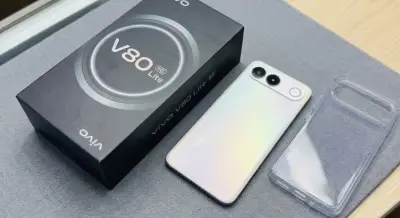
Top 5 Alternatives to the Vivo V80 Lite in Pakistan (2026)
iPhone 18 Series Is Changing: New Launch Date, Pro Models, Foldable iPhone & More
5 Phones Under 40k in Pakistan That Actually Feel Premium
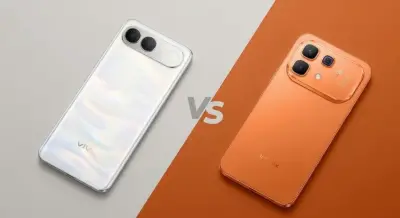
Same Price, Different Phones Vivo V80 Lite or Infinix Note 60 Pro? My Pick
Comments (0)
No comments yet. Be the first to comment!