
Same Price, Different Phones Vivo V80 Lite or Infinix Note 60 Pro? My Pick
Vivo V80 Lite or Infinix Note 60 Pro — honest comparison of price, camera, battery, gaming, and build to help you choose the better phone in Pakistan.

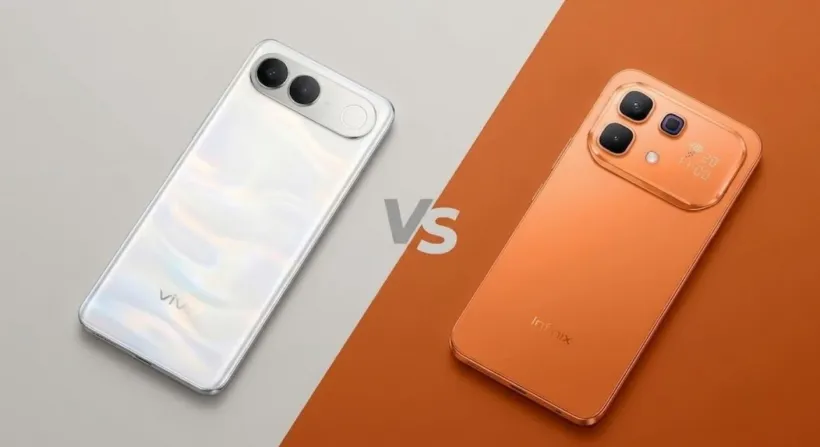
These two phones sit in almost the same budget, but they are built for very different buyers. The Vivo V80 Lite chases battery life and durability. The Infinix Note 60 Pro chases performance, camera, and charging speed.
Here's an honest look at which one makes more sense for real daily use in Pakistan.
Price: The First Big Difference
This matters more than any spec.
- Infinix Note 60 Pro: Rs. 120,999 — and that's for 8GB + 256GB
- Vivo V80 Lite: Rs. 124,999 — but that's only 8GB + 128GB. The 256GB version costs Rs. 145,999
So if you compare like for like at 256GB, the Infinix is roughly Rs. 25,000 cheaper. That's a serious gap in this segment.
Specs Side by Side
Vivo V80 Lite vs Infinix Note 60 Pro
Differences are highlighted. Swipe sideways on mobile.| Specs | ||
|---|---|---|
| Overview | ||
| Price | Rs 124,999 | Rs 120,999 |
| Brand | Vivo | Infinix |
| Released | Aug 2026 | Mar 2026 |
| User Rating | 5/5 (1) | — |
| Launch & Availability | ||
| Released | 24 August 2026 | 12 March 2026 |
| Status | Launched | — |
| PTA Approved | Yes | Yes |
| Network | ||
| Technology | GSM / HSPA / LTE / 5G | GSM / HSPA / LTE / 5G |
| 5G Support | Yes | Yes |
| 2G Bands | GSM 850 / 900 / 1800 / 1900 | GSM 850 / 900 / 1800 / 1900 |
| 3G Bands | HSDPA 850 / 900 / 2100 | HSDPA 850 / 900 / 2100 |
| 4G Bands | LTE | LTE band 1(2100), 3(1800), 5(850), 8(900), 40(2300), 41(2500) |
| Speed | HSPA 42.2/5.76 Mbps, LTE-A, 5G | HSPA 42.2/5.76 Mbps, LTE-A, 5G |
| Body & Design | ||
| Dimensions | 164.4 x 75.3 x 8 mm | 162.4 x 77.2 x 7.4 mm |
| Weight | 197 g | 201 g |
| Build | Glass front, plastic frame, plastic back | Glass front (Corning Gorilla Glass 7i), aluminum frame, aluminum back |
| SIM | Nano-SIM | Nano-SIM |
| Protection | IP68/IP69 dust tight and water resistant | IP64 dust tight and water resistant (water splashes) |
| Colors | Sapphire Blue, Regal Bronze, Silk White | Mist Titanium, Deep Ocean Blue, Solar Orange, Mocha Brown, Torino Black, Frost Silver |
| Display | ||
| Type | AMOLED Capacitive Touchscreen, 1B Colors | AMOLED Capacitive Touchscreen |
| Size | 6.83 inches | 6.78 inches |
| Resolution | 1260 x 2800 Pixels (~450 PPI) | 1208 x 2644 pixels (~429 ppi) |
| Refresh Rate | 144Hz | 144Hz |
| Protection | IP68/IP69 dust tight and water resistant (high pressure water jets; immersible up to 1.5m for 30 min) | Corning Gorilla Glass 7i |
| Platform | ||
| Operating System | Android 16 OS, OriginOS 6 | Android 16 OS, up to 3 major Android upgrades |
| Chipset | Mediatek Dimensity 7360 Turbo (4 nm) | Qualcomm SM7635-AC Snapdragon 7s Gen 4 (4 nm) |
| CPU | Octa-core (4 x 2.5 GHz Cortex-A78 + 4 x 2.0 GHz Cortex-A55) | Octa-core (1 x 2.7 GHz Cortex-A720 + 3 x 2.4 GHz Cortex-A720 + 4 x 1.8 GHz Cortex-A520) |
| GPU | Mali-G615 MC2 | Adreno 810 |
| Memory & Storage | ||
| RAM | 8GB | 8GB |
| Storage | 128GB | 256GB |
| Card Slot | No | No |
| Storage Type | UFS 3.1 | UFS 2.2 |
| Main Camera | ||
| Camera | Dual Camera: 50 MP, f/1.8, (wide), 1/2.93", PDAF + Auxiliary lens, LED Flash Features: panorama, HDR, Video (4K@30fps, 1080p@30fps, gyro-EIS) | Dual Camera: 50 MP, f/1.6, (wide), PDAF, OIS + 8 MP, f/2.2, (ultrawide), Dual LED Flash |
| Megapixels | 50 MP | 50 MP |
| Features | panorama, HDR | Panorama, HDR |
| Video | 4K@30fps, 1080p@30fps | 14K@30fps, 1080p@30/60/120fps |
| Selfie Camera | ||
| Camera | 32 MP, f/2.0, (wide) | 13 MP, f/2.2, (wide) |
| Video | 4K@30fps, 1080p@30fps | 4K@30fps, 1080p@30/60fps |
| Battery & Charging | ||
| Capacity | 7050 mAh | 6500 mAh |
| Type | Li-ion Si-Ca | Li-Ion, non-removable |
| Charging | Fast battery 45W, Reverse wired Bypass charging | 90W wired, 30W wireless, 7.5W reverse wired, 5W reverse wireless |
| Wireless Charging | No | Yes |
| Sound | ||
| Loudspeaker | Dual Speaker | Tuned by JBL, 24-bit/192kHz Hi-Res & Hi-Res wireless audio, Speaker Phone |
| 3.5mm Jack | No | No |
| Audio Features | Dual Speaker | Tuned by JBL, 24-bit/192kHz Hi-Res & Hi-Res wireless audio, Speaker Phone |
| Connectivity | ||
| WLAN | Wi-Fi 802.11 a/b/g/n/ac, dual-band | Wi-Fi 802.11 a/b/g/n/ac/6, dual-band |
| Bluetooth | v5.4 with A2DP, LE | v5.4 with A2DP, LE |
| Positioning | Yes + A-GPS Support & GLONASS, GALILEO, BDS, QZSS, NavIC | Yes + A-GPS support |
| NFC | Yes | Yes |
| Infrared Port | Yes | Yes |
| USB | USB Type-C 2.0, OTG | USB Type-C 2.0, OTG |
| Radio | No | FM Radio |
| Features & Sensors | ||
| Sensors | Accelerometer, Compass, Fingerprint (under display, optical), Gyro, Proximity | Accelerometer, Compass, Fingerprint (under display, optical), Gyro, HeartRate, Proximity, SpO2 |
| Fingerprint | Under display (optical) | Under display (optical) |
| PUBG / Gaming | 90FPS | 90FPS |
| AnTuTu Score | 970,000 | 963,648 |
| Pros & Cons | ||
| Pros |
|
|
| Cons |
|
|
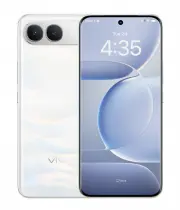
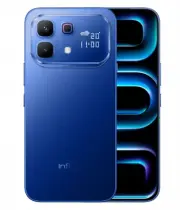
For Everyday Use in Pakistan
Both handle daily tasks — WhatsApp, Facebook, YouTube, banking apps — without breaking a sweat. But two practical points decide this.
The Vivo has the bigger 7050mAh battery, which genuinely lasts longer between charges.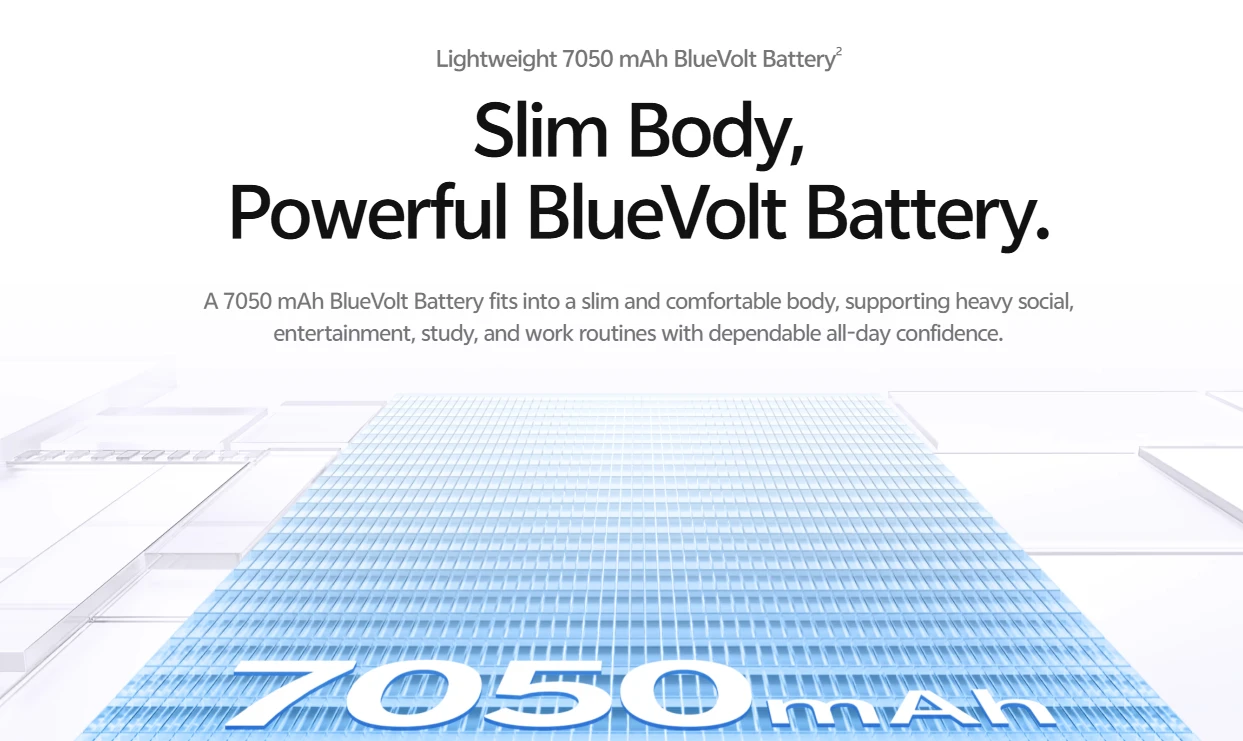
But the Infinix charges at 90W versus Vivo's 45W. With Pakistan's load shedding, being able to fill your battery in a short power window is arguably more useful than a slightly larger cell. The Infinix also adds 30W wireless charging, which Vivo skips entirely.
Where Vivo hits back is durability. Its IP68/IP69 rating handles rain, dust, and wet hands properly, while the Infinix only manages IP64 splash resistance. In monsoon season or dusty conditions, that's a real advantage.
Everyday winner: Infinix Note 60 Pro, mainly for the far faster charging — unless you often use your phone in rain or dust, where Vivo's IP69 wins.
For Camera
This isn't close, despite what the megapixel numbers suggest.
The Infinix has a 50MP main camera with OIS (optical image stabilisation) plus a genuine 8MP ultrawide. OIS is the key here — it means noticeably sharper low-light photos and steadier video. The ultrawide lets you capture group shots, buildings, and landscapes.
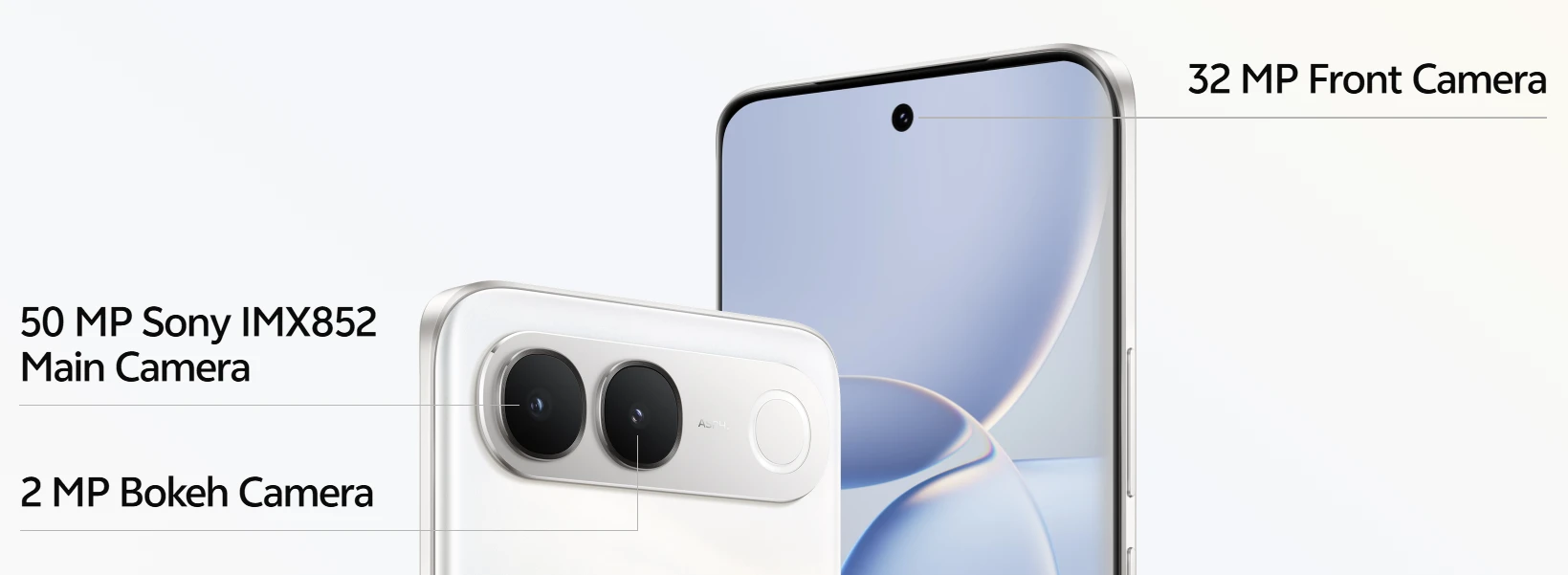
The Vivo has a good 50MP Sony sensor, but it's paired with only a 2MP bokeh sensor and no ultrawide at all. For a phone above Rs. 120,000, that's a thin setup, and the spec scores reflect it — 78 for Infinix versus 36 for Vivo.
The one area Vivo clearly wins is selfies: its 32MP front camera easily beats the Infinix's 13MP, and it's better for vlogging and video calls.
Camera winner: Infinix Note 60 Pro for rear photography and video. Vivo V80 Lite if you mostly shoot selfies.
For Gaming
On paper they're nearly identical — both hit 90 FPS in PUBG and their AnTuTu scores are within 1% of each other.
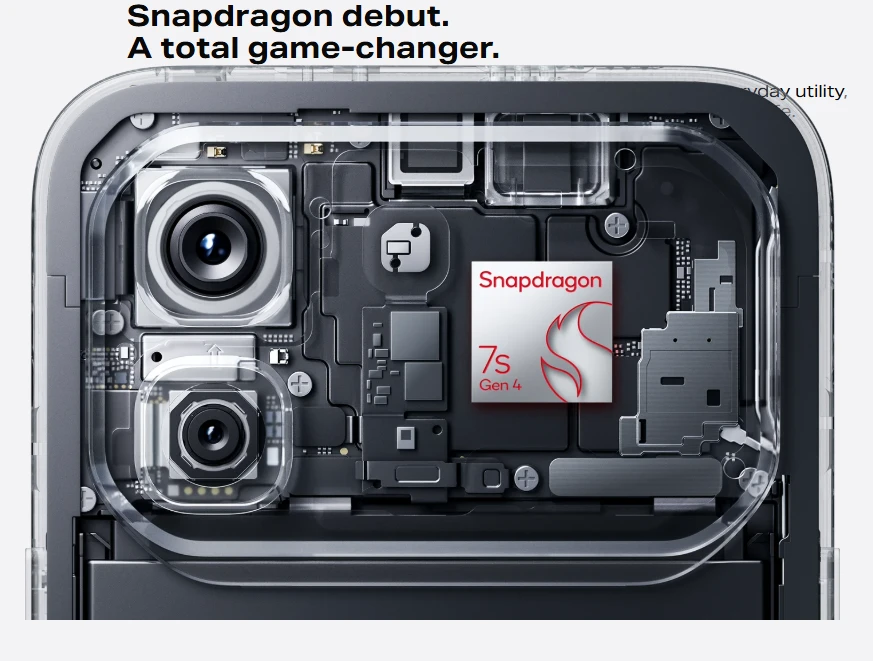
But the details favour Infinix. Its Snapdragon 7s Gen 4 with Adreno 810 GPU is the stronger gaming combination in real use, and its performance spec score (85) sits well above Vivo's (66). Infinix also gives you 256GB at the base price, which matters when modern games eat 10–20GB each.
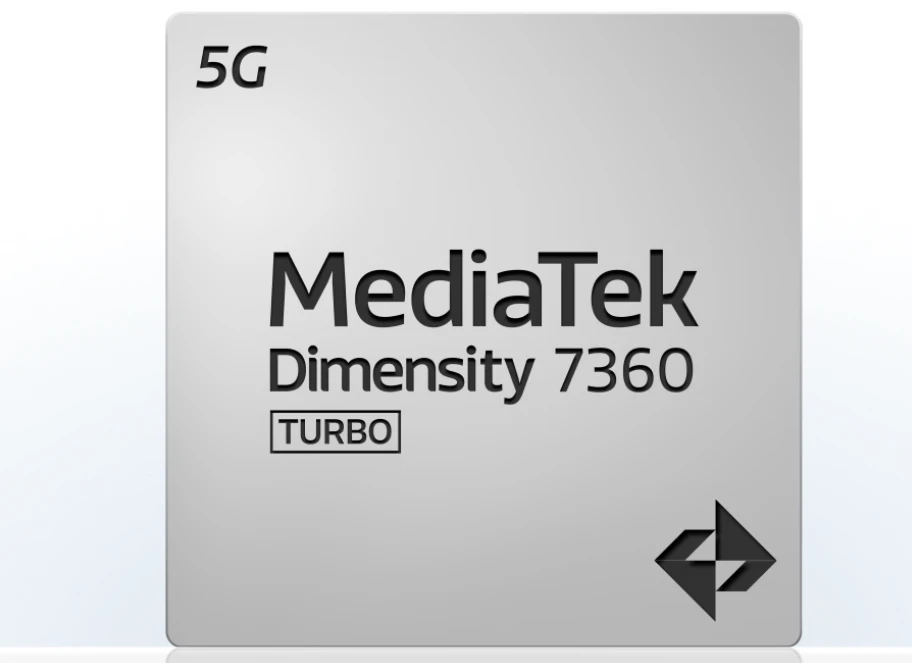
Vivo's counters are decent: UFS 3.1 storage loads games faster than Infinix's UFS 2.2, and its 3800mm² vapour chamber keeps temperatures in check during long sessions. The bigger battery helps too.
Gaming winner: Infinix Note 60 Pro, for the better GPU and more storage at the price.
For Build and Feel
The Infinix uses an aluminium frame and aluminium back with Gorilla Glass 7i — it simply feels more premium in hand, and it's slimmer at 7.4mm. The Vivo uses a plastic frame and back, though its curved display and lighter 197g weight make it comfortable to hold.
Build winner: Infinix for materials and premium feel; Vivo for water and dust protection.
The Extras
Infinix adds JBL-tuned audio, FM radio, and even heart rate and SpO2 sensors. Vivo brings Circle to Search, AI writing tools, and a slightly better software promise — 3 OS updates plus 5 years of security patches, versus Infinix's 3 Android upgrades.
Vivo also has a wider service centre network across Pakistan, which is worth considering for after-sales support.
Final Verdict: Which One Should You Buy?
Buy the Infinix Note 60 Pro if:
- You want the best overall value (256GB for Rs. 25,000 less)
- Camera quality matters — OIS and ultrawide make a real difference
- You game regularly and want the stronger GPU
- You want 90W fast charging and wireless charging
- You prefer a premium metal build
Buy the Vivo V80 Lite if:
- Selfies and video calls are your priority (32MP front camera)
- You need the longest battery life between charges
- You work outdoors and need IP69 water and dust protection
- You want a sharper, brighter curved display
- Long-term security updates and Vivo's service network matter to you
Our honest recommendation: For most buyers in Pakistan, the Infinix Note 60 Pro is the smarter purchase. You get more storage, a genuinely better rear camera, faster charging, stronger gaming performance, and a metal build — all for less money. Its overall spec score of 82 against Vivo's 59 reflects that gap.
The Vivo V80 Lite is still a good phone, but it makes most sense for a specific buyer: someone who takes a lot of selfies, needs maximum battery endurance, or works in conditions where water and dust resistance genuinely matters.
Related News
Should You Buy the Vivo V80 Lite or the Oppo Reno 16F? Honest Review
New Mobiles Coming to Pakistan in September 2026
Top 5 Alternatives to the Vivo V80 Lite in Pakistan (2026)
iPhone 18 Series Is Changing: New Launch Date, Pro Models, Foldable iPhone & More

5 Phones Under 40k in Pakistan That Actually Feel Premium
Comments (0)
No comments yet. Be the first to comment!