J
Jack Son
4 Aug 2026
4 Aug 2026
Nice

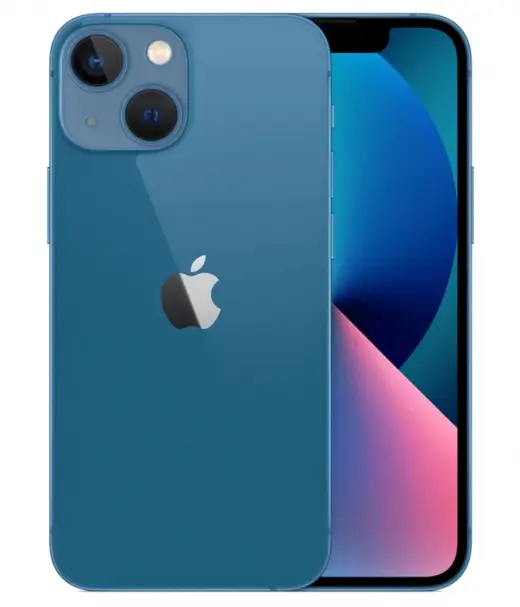
A powerful and compact flagship with excellent camera performance
| Launch & Availability | |
| Released | 24 September 2021 |
| Announced | 2021, September 14 |
| Status | Discontinued |
| PTA Approved | Yes |
| Network | |
| Technology | GSM / CDMA / HSPA / EVDO / LTE / 5G |
| 5G Support | Yes |
| 2G Bands | GSM |
| 3G Bands | HSPA |
| 4G Bands | LTE |
| Speed | 4G |
| Body & Design | |
| Dimensions | 146.7 x 71.5 x 7.7 mm |
| Weight | 174 g |
| Build | Glass front, glass back, aluminum frame |
| SIM | Nano-SIM + eSIM, Nano-SIM |
| Protection | IP68 dust tight and water resistant (immersible up to 6m for 30 min) |
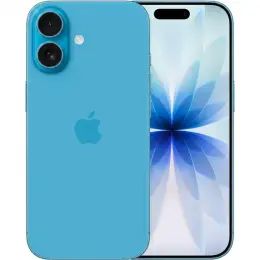
| Colors | Starlight, Midnight, Blue, Pink, Red, Green |
| Display | |
| Type | Super Retina XDR OLED, HDR10, Dolby Vision |
| Size | 6.1 inches |
| Resolution | 1170 x 2532 pixels (~460 ppi) |
| Refresh Rate | 60Hz |
| Protection | Ceramic Shield glass |
| Platform | |
| Operating System | iOS 15, upgradable to iOS 26.6 |
| Chipset | Apple A15 Bionic (5 nm) |
| CPU | Hexa-core (2x3.23 GHz Avalanche + 4x1.82 GHz Blizzard) |
| GPU | Apple GPU (4-core graphics) |
| Memory & Storage | |
| RAM | 4GB |
| Storage | 128GB, 256GB, 512GB |
| Card Slot | No |
| Storage Type | NVMe |
| Main Camera | |
| Camera | 12 MP, f/1.6, 26mm (wide), dual pixel PDAF, sensor-shift OIS 12 MP, f/2.4, 120˚, 13mm (ultrawide) |
| Megapixels | 12 MP |
| Features | Dual-LED dual-tone flash, HDR (photo/panorama) |
| Video | 4K@24/25/30/60fps, 1080p@25/30/60/120/240fps, HDR, Dolby Vision HDR (up to 60fps), stereo sound rec. |
| Selfie Camera | |
| Camera | 12 MP, f/2.2, 23mm (wide), SL 3D (depth/biometrics sensor) |
| Video | 4K@24/25/30/60fps, 1080p@25/30/60/120fps, gyro-EIS |
| Battery & Charging | |
| Capacity | 3240 mAh |
| Type | Li-Ion |
| Charging | Wired, PD2.0, 50% in 30 min15W wireless (MagSafe)15W wireless (Qi2) - requires iOS 17.2 update |
| Wireless Charging | Yes |
| Sound | |
| Loudspeaker | Yes, with stereo speakers |
| 3.5mm Jack | No |
| Connectivity | |
| WLAN | Wi-Fi 802.11 a/b/g/n/ac/6, dual-band, hotspot |
| Bluetooth | 5.0, A2DP, LE |
| Positioning | GPS, GLONASS, GALILEO, BDS, QZSS |
| NFC | Yes |
| USB | Lightning, USB 2.0 |
| Radio | No |
| Features & Sensors | |
| Sensors | Face ID, accelerometer, gyro, proximity, compass, barometerUltra Wideband (UWB) support |
| Fingerprint | No |
| PUBG / Gaming | 60FPS |
| AnTuTu Score | 1,256,049 |
Specifications are collected from the manufacturer and other reliable sources and may change without notice.
iPhone 13 is available in a variants of 4 GB RAM / 128 GB Storage. It is one of the latest mobile comes with amazing specifications and prices in Pakistan. iPhone 13 launched with different color options of Starlight, Midnight, Blue, Pink, and Red. The handset is highly appreciated by ’s fans because of its internal specs, screen size, camera setup, battery timing and iPhone 13 mobile performance. iPhone 13 camera setup includes 12 MP Dual rear camera and 12 MP selfie camera. Display of iPhone 13 supports upto 1170 x 2532 pixels Resolution and has a screen size of 6.1" inches. The Performance of the iPhone 13 is based on A15 Bionic (5 nm) Chipset and (4-core graphics) GPU. Mobile has a battery capacity of 3240 mAh. The price of the iPhone 13 in Pakistan sounds good under 229,800 PKR.
Even years after launch, this display remains one of the better OLED panels you can get at the current resale price, and Apple's color calibration still gives it an edge over many Android rivals in the same bracket.
What makes the A15 stand out is how well it's aged; a chip from 2021 still keeps pace with apps and games released in 2026, which says a lot about how far ahead Apple's silicon was at launch.
iOS has always squeezed more out of less RAM than Android typically needs, so despite the 4GB figure looking low by 2026 standards, day-to-day multitasking rarely feels sluggish.
The sensor-shift stabilization was a genuine step forward when this phone launched, and it still produces cleaner handheld video and low-light photos than plenty of newer phones in the same used-price range.
Battery capacity looks small next to current Android flagships, but Apple's software optimization means real-world battery life holds up reasonably well, especially for anyone who isn't gaming or streaming video all day.
This kind of extended software support is genuinely rare in the smartphone world, and it's the main reason the iPhone 13 still feels current in everyday use despite being a few years old.
The Lightning port is worth noting since most new phones have shifted to USB-C, so buyers already invested in Apple accessories will feel right at home, while others may need an extra cable.
The build quality here is a big part of why so many used units still look and feel solid years later; the aluminum frame and Ceramic Shield glass genuinely hold up better than plastic-framed phones from the same era.
The iPhone 13 has aged into one of the smartest picks in Pakistan's used and import market, not because it's new, but because the A15 Bionic chip, OLED display, and camera system still compete comfortably with far newer mid-range phones. Years of continued iOS updates only add to its long-term value.
The trade-offs are the 4GB RAM figure, the aging Lightning port, and the fact that buying one means navigating the PTA versus non-PTA decision carefully. Still, for anyone wanting a reliable, well-built iPhone without flagship pricing, the 13 remains a genuinely sound choice in 2026.
iPhone 12 — typically found around Rs. 100,000-150,000 (PTA approved), offering a similar OLED display and the capable A14 Bionic chip at a lower price point.
Samsung Galaxy S21 FE — priced roughly Rs. 130,000-165,000 with 8GB RAM, appealing to buyers who want a 120Hz AMOLED display and more flexible Android customization.
iPhone 14 — available from around Rs. 190,000-230,000 (PTA approved), offering a newer A15 variant with better thermal performance and an improved main camera sensor.